- News
Following "Reconciliation 2.0"
What’s happening? And what’s next for a potential second budget bill?
By: Brian Egan, Chief Policy Officer, NABL
What was once seen as a long shot―“Reconciliation 2.0” ―has reemerged and made substantial progress in the past few weeks. Republican leaders have jockeyed over their preferred strategies for handling a second budget reconciliation package in the 119th Congress. Key players largely fall into one of two camps: 1) those who view such a deal as “the last train to leave the station” and therefore feel the party should pursue a broad package with new tax policy and spending cuts; and 2) those who recognize their party’s narrow majorities in both chambers and have pushed for a fast-tracked and limited bill that only address the Administration’s top priorities.
The ongoing war in Iran and the longest partial government shutdown in history have added urgency to the arguments of camp two. Perhaps more importantly, President Trump has thrown his support behind the more limited approach as well. The Senate passed an appropriations bill prior to adjourning for April recess that would fund the “non-controversial” parts of the Department of Homeland Security (DHS)―such as the Coast Guard, the Federal Emergency Management Agency (FEMA), and the Transportation Safety Administration (TSA)―and not Immigration Customs and Enforcement (ICE) or Customs and Border Patrol (CBP). Appropriations for all DHS programs lapsed on January 30, 2026. The House has yet to vote on the package. Select programs are running temporarily under advance appropriations or through executive action.
This week, the Senate unveiled and passed a budget resolution that confirms camp two’s strategy is winning for the moment. The resolution, which sets the parameters of and effectively kicks off the process for a forthcoming reconciliation package, narrowly instructs the appropriations committees to advance fund the Department of Homeland Security through the end of President Trump’s second term and increase defense spending by about $1.2 trillion over the next 10 years. Designated Committees must provide their specific legislative policies to the Budget Committee by May 15, 2026, with the goal of finalizing work by the President’s imposed deadline of June 1, 2026. The resolution notably does not provide instructions to the House Ways and Means or Senate Finance Committees to adjust federal revenues via changes to the Internal Revenue Code.
What Does It Mean for the Municipal Market
Likely very little. The package may provide greater federal funding certainty for select DHS programs aiding state and local governments that have been impacted by the ongoing partial government shutdown. Otherwise, the package is unlikely to have much of a direct impact on municipal market participants. Last year, the House and Senate passed competing budget resolutions that ultimately culminated in the passage of the One, Big, Beautiful Bill Act (H.R. 1). By this point in time in 2025, however, congressional tax writing committees had clear instructions to amend the Internal Revenue Code, stirring the municipal market into unprecedented advocacy efforts. Such instructions are not present in this current budget resolution.
Could the Situation Change?
Absolutely. As noted, there is a strong camp, particularly among House Republicans, to use this reconciliation package as a “second bite at the apple” for broader policy changes. Others may also oppose the current plan’s increase to the federal deficit. It is worth noting that the rapidly approaching midterm elections and ongoing primary season will continue to place tremendous strain on congressional schedules. Furthermore, a flurry of administration vacancies whose replacements require Senate confirmations will also stress congressional calendars and make it difficult to focus on bolder plans in the coming months. While the situation is subject to change until the very end, at this point in time, it seems unlikely that Congress will use a second reconciliation package to address Internal Revenue Code changes.
Reconciliation 3.0?
In theory, the federal government will enter FY2027 on October 1, 2026, and Congress could immediately choose to start a process to reconcile that fiscal year’s budget before it adjourns at the end of the calendar year. Some politicos are already discussing the potential for a third “tax-focused” reconciliation bill in the last quarter of the calendar year. Such a package would almost certainly run into election and lame duck realities, including congressional attendance issues among a substantial number of retirements and incumbents not returning next year. While entirely possible, this situation remains unlikely for the moment.
Other Tax Bills on the Horizon?
Moderate Republicans and some Democrats in Congress remain optimistic about a potential bipartisan tax bill sometime later this year. Such a goal may seem lofty in the current political climate, but there are a number of shared tax priorities that cross the political aisle, specifically in the affordable housing space.
Congress will also need to address lapsing authorizations for various federal surface transportation programs before September 30, 2026. Congress may choose to punt and opt for a one-year extension, but if a full package does materialize over the summer, it will include a tax title to reauthorize the federal gas and diesel tax at a minimum. The prior surface transportation bill, the Infrastructure Investment and Jobs Act (IIJA) of 2021, notably included two new categories of exempt facility bonds and raised the nationwide cap for qualified highway and surface freight transfer facility bonds. Leadership has indicated, however, a desire to pursue normal order and keep tax policy to a minimum for this surface transportation reauthorization process.
As always, NABL will keep members informed as pertinent details emerge.
Registration for The Institute is Open!
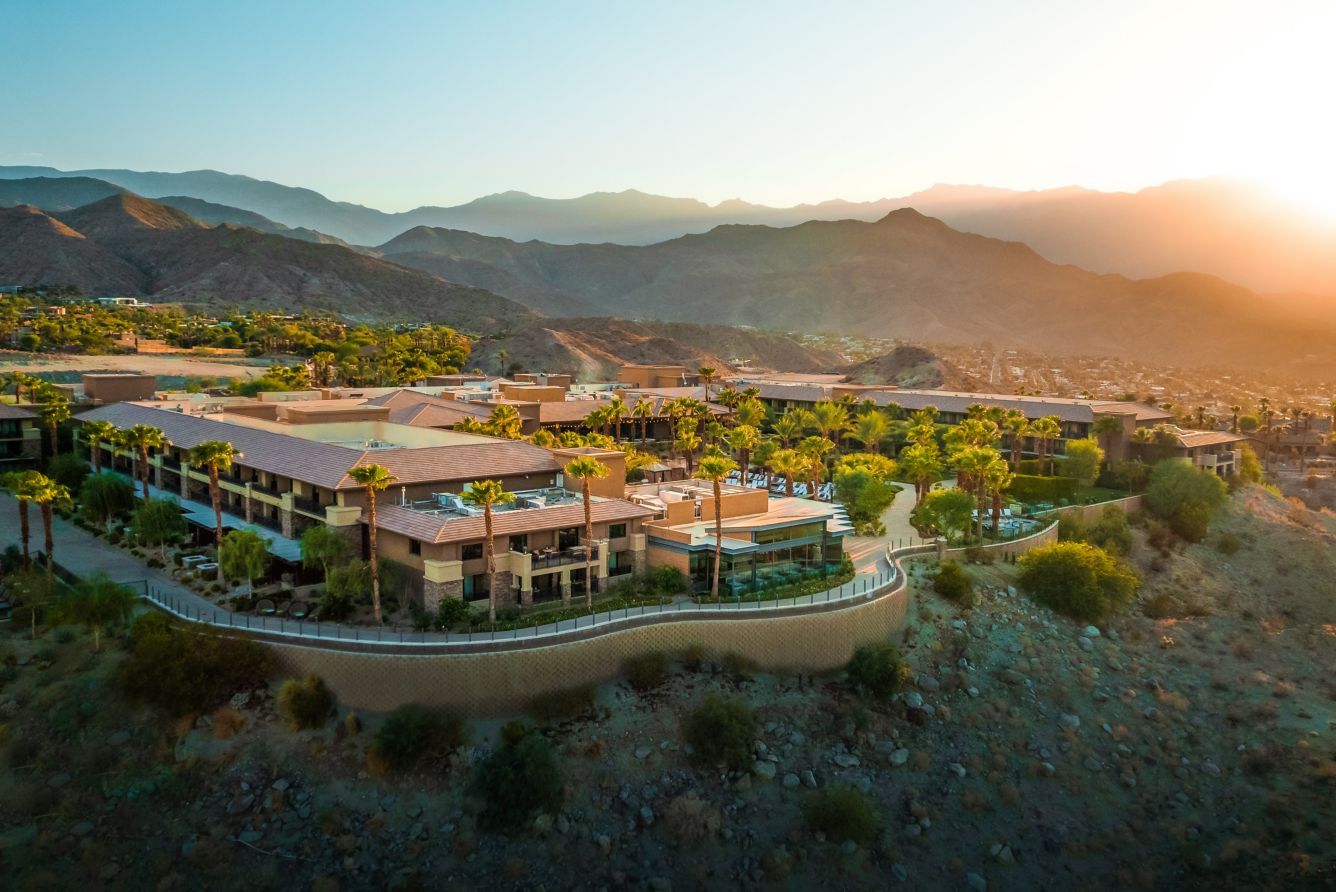
We are taking The Institute to sunny California next year! Attendance is limited to 100 participants to preserve the program’s highly interactive nature. Hosted at The Ritz-Carlton, Rancho Mirage, February 4-5, 2027.