- News
Legislative To Do’s (and Impasses) Mount
From “Reconciliation 2.0” to housing reforms, here’s a look at what we’re tracking as Congress gears up for April recess at the end of next week.
As we inch deeper into a contentious election year, municipal market participants look to see what could be next for the current Congress. From appropriations and must pass legislation, to confirmation hearings and a new war in the Middle East, members of Congress have a long list of items vying for their attention. Mounting impasses, however, could slow much of any legislative activity heading up to the midterm elections this November. Here’s a look at what’s on our radar:
Political Realties
We are just under seven months from the midterm elections. Seven months may seem like a long time, but amidst the background of historically contentious and high dollar spending campaigns, it is actually quite close. As the weeks pass by, members of Congress will turn their attentions increasingly to their campaigns back in their home districts. Beyond the elections, rising fuel prices, the ongoing conflict with Iran, and numerous other items will likely consume much of Congress’ and the Administration’s bandwidth. Major pieces of consequential legislation have passed close to an election season before, but not without focused attention from the highest levels of leadership.
Appropriations
While Congress has authorized 11 of the 12 appropriations areas for FY2026, the fight over funding for Immigration and Customs Enforcement (ICE) continues to stall the broader Homeland Security funding measure. The Homeland Security appropriations bill has minimal nexus to municipal bond financed projects, but the hold up now risks a cascade of other delays in Congress. Once Congress closes the book on FY2026, it will likely need to pivot immediately to FY2027 appropriations work before the funding again lapses at the end of the fiscal year on September 30— just 34 days before election day.
Reconciliation 2.0?
The likelihood of major tax legislation following in the wake of last year’s package changes by the day. Politicos were already discussing the parameters of a second tax package before the One Big Beautiful Bill Act (OBBBA) passed into law last July. Facing narrow margins and high levels of partisan gridlock, Republican leadership understands their second chance to deploy arcane reconciliation rules could prove necessary in advancing more portions of their agenda. Stakeholders have long been told to look toward the provisions of the House version of OBBBA that didn’t make it into the final bill as guidance on what could compose a “Reconciliation 2.0” package in 2026. Disagreement still remains among Republican leadership on whether they should or, practically speaking, can pursue a second reconciliation bill to advance the President’s agenda. What would even go into such a bill also remains unsettled. At this point in time, however, there is little indication that, if such a package materialized, it would specifically target tax-exempt municipal bonds.
Progress on Housing?
The door on Reconciliation 2.0 may be closing, but some members of Congress remain optimistic on efforts to advance legislation on areas of bipartisan consensus before the election. Specifically, both the Administration and Congress continue to pursue various reforms designed to increase affordable housing across the country.
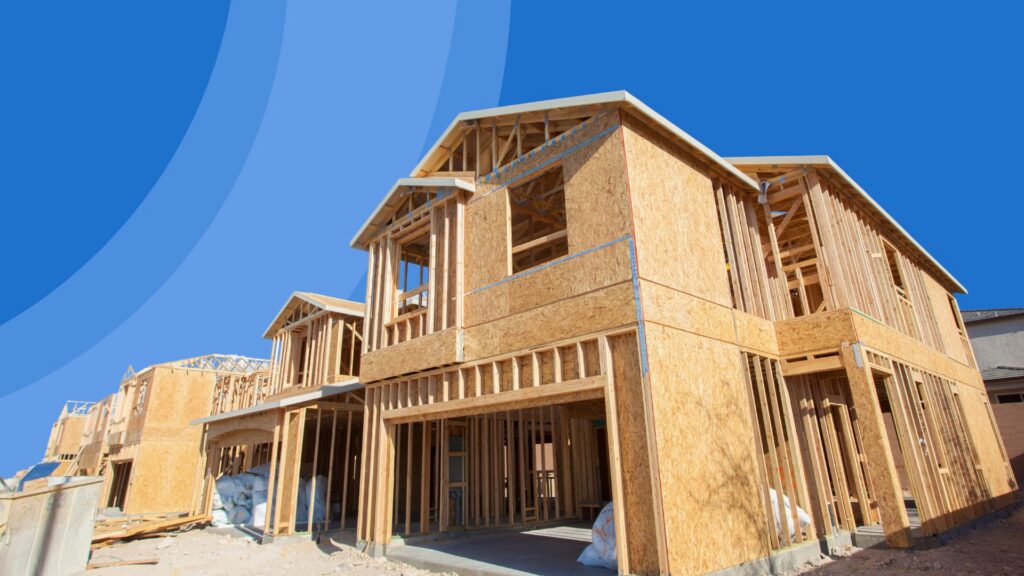
The 21st Century ROAD to Housing Act (H.R. 6644) combines elements from two bills, previously advanced by the House and Senate respectively, designed to encourage and facilitate the development of more housing through direct funding and federal housing program reforms. The package would specifically reform the Community Development Block Grant (CDBG), one of the largest sources of flexible direct funding to local governments, to include carrot and stick measures to encourage recipient governments to pursue pro-growth policies. It would also ban large institutional investors from purchasing certain single-family homes.
The measure has effectively passed both chambers in different forms, but the House must now decide whether to advance the Senate’s latest version “as is” or pursue further back and forth. Key leaders in the House have raised concerns about select provisions in the Senate package, but it is worth noting that it sailed through the Senate on March 12 with a 89-10 vote. Even if the measure falters, its broad bipartisan support makes it ripe for attachment to a larger “must pass” piece of legislation later in the year.
Surface Transportation
Major programs authorized under the Infrastructure Investment and Jobs Act (IIJA) of 2021 expire at the end of September. The authorization cliff tees up a near certainty that Congress acts in some capacity in the surface transportation space. While the rapidly approaching midterm elections may make reaching a compromise difficult, transportation and infrastructure leadership throughout Congress continues to work diligently to advance a package. If members of Congress cannot resolve outstanding differences and finalize a package, they may default to a one-year extension as they have done in the past. Regardless, any surface transportation package will need to include a tax title to extend authorization for the federal gas and diesel taxes at a minimum. It remains uncertain to what extent lead negotiators are open to pursuing additional tax provisions. Municipal market participants have long argued that municipal bonds finance the lion’s share of critical transportation infrastructure. As such, advocates continue to see surface transportation as a perfect vehicle for advancing additional financing tools such as restoration of tax-exempt advance refunding bonds or modernization of the small borrower’s exemption for bank qualified bonds.
MSRB Reform?
On March 5, the House Financial Services Subcommittee on Capital Markets held a hearing entitled “The Role of Self-Regulatory Organizations in U.S. Markets: Examining FINRA and the MSRB.” Members of Congress and witnesses discussed a number of measures to reform both FINRA and the MSRB, including placing their functions directly under the SEC and restructuring their governing boards to be majority controlled by regulated entities. While the specific bills discussed are unlikely to advance on their own, these discussions could form the basis for provisions of a larger financial services bill in the future.
Other Bond Reforms
Even amid a busy schedule, the 119th Congress has introduced a host of bills to expand municipal bonds in various capacities. Since the beginning of this year alone, members of Congress have introduced legislation to address difficulties in issuing tribal bonds (H.R. 7705), exempt student loan bonds from the alternative minimum tax and state volume cap requirements (H.R. 2660), and allow to Federal Home Loan Bank member institutions to support local development authorities by credit enhancing tax-exempt bonds for non-housing related community development projects (see press release).
We will continue to keep members informed as updates become available. As always, let us know your thoughts and questions by emailing us at advocacy@nabl.org >
Registration for The Institute is Open!
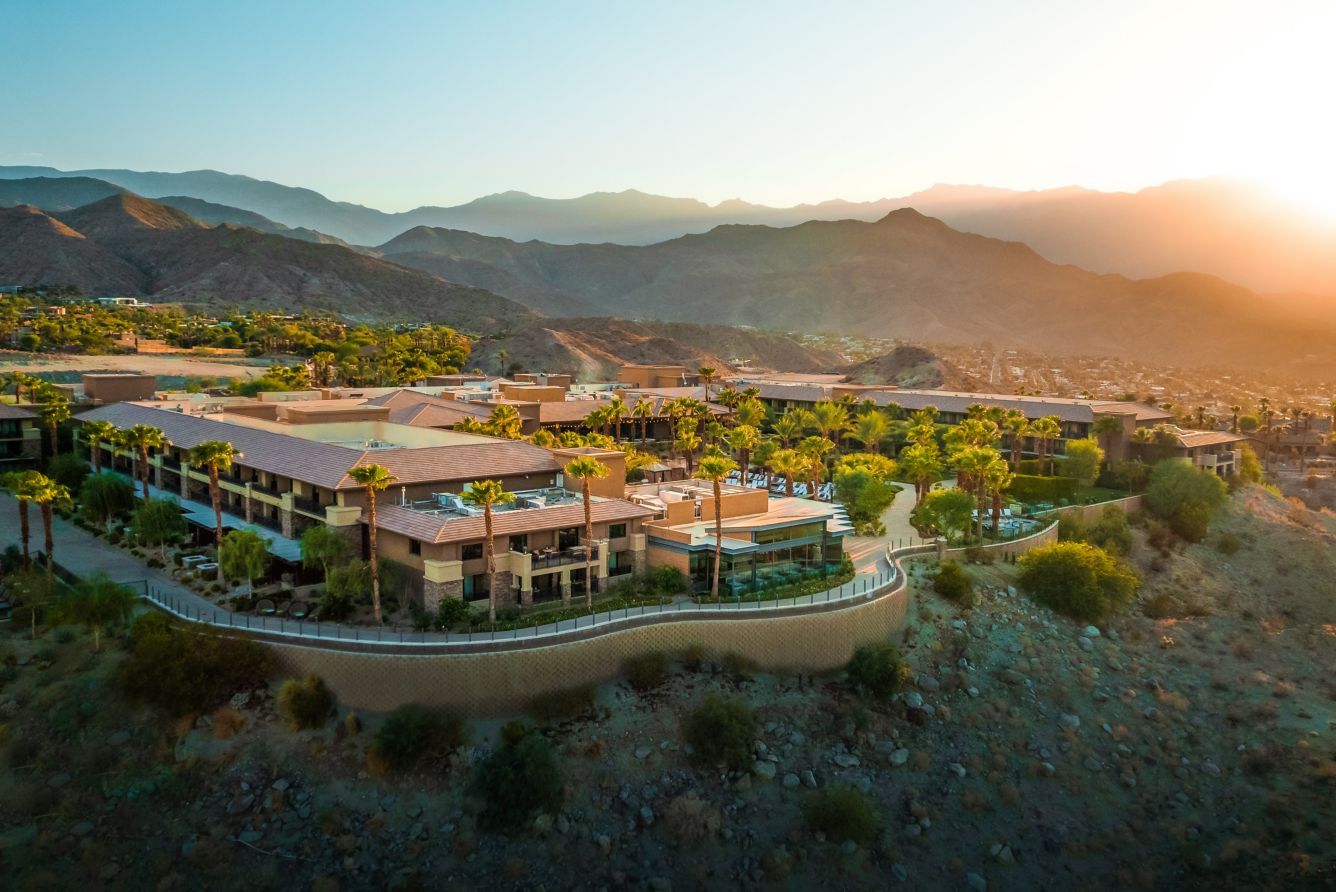
We are taking The Institute to sunny California next year! Attendance is limited to 100 participants to preserve the program’s highly interactive nature. Hosted at The Ritz-Carlton, Rancho Mirage, February 4-5, 2027.